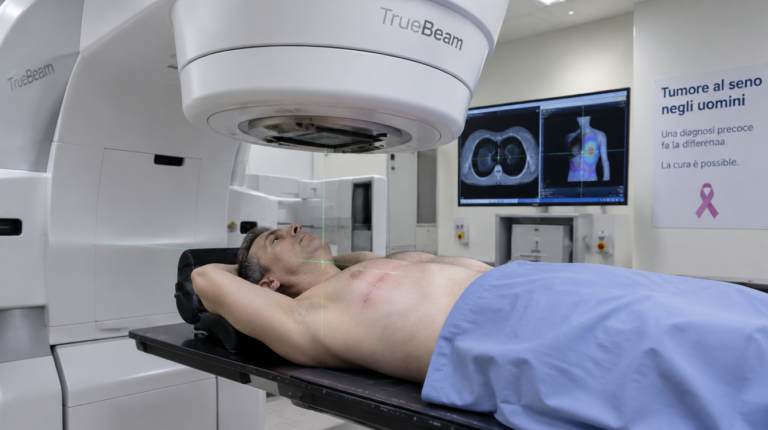



FOR HIM TOO

Breast cancer can also affect men

It is a rare condition and for this very reason still little known. In 2024, an estimated 621 new cases were diagnosed in men in Italy; it accounts for about 0.5–1% of breast cancers.

Awareness, diagnosis and treatment path

Breast cancer is historically and culturally perceived as an exclusively female pathology. However, breast tissue, albeit in a rudimentary way, is also present in men and can undergo the same neoplastic transformation.

This neoplasm accounts for about 1% of all breast tumors and less than 1% of tumors in the male sex: the lack of social and clinical awareness often leads to a late diagnosis.

In our Breast Health Clinic, we approach male breast cancer with the same personalized, timely, and multidisciplinary approach reserved for women, ensuring excellent care standards at every stage of the process.
Factors and causes

The causes of male breast cancer are not yet fully understood. However, certain factors that can increase the risk have been identified, including age, family history, and certain genetic predispositions. Conditions that alter hormonal balance, previous chest radiation therapy, and, more rarely, Klinefelter syndrome may also play a role.

The presence of one of these factors does not necessarily mean developing a tumor. Knowing your personal and family history can help you understand when it is appropriate to investigate further.

The importance of prevention and warning signs

Unlike women, there are no mass mammography screening programs for men. For this reason, awareness of one's own body and the early recognition of symptoms are the most effective weapons for a favorable prognosis.

The signs not to be underestimated

  • Lumps or thickenings: The appearance of a hard mass, usually non-painful, under the nipple or the areola, or in the armpit area.
  • Changes in the nipple: Retraction (inversion) of the nipple, desquamation, ulceration or skin secretions, especially if bloody.
  • Changes in the skin: skin with dimpling (an “orange peel” appearance), localized redness or persistent swelling that does not subside.

Risk factors and heredity

  • Genetic predisposition: A family history of breast or ovarian cancer is a crucial indicator.
  • Hormonal imbalances: conditions that increase estrogen levels compared to androgens, such as severe obesity, liver diseases (cirrhosis) or Klinefelter syndrome.
  • Age and environmental exposure: The incidence increases with age (the average age at diagnosis is between 60 and 70 years) and may be influenced by previous radiotherapy to the chest.

Genetic predisposition and BRCA

The BRCA1 and BRCA2 genes are involved in DNA repair mechanisms. Approximately 10-15% of the cases are linked to hereditary genetic mutations, particularly those affecting the BRCA2 gene (and to a lesser extent BRCA1), which is associated with an increased risk of breast and prostate cancer.

Diagnosis

In the presence of a change or a risk factor, the pathway starts with a specialist assessment and the necessary tests.

Diagnosi tumore al seno maschile

  • Specialist visit
  • Breast ultrasound
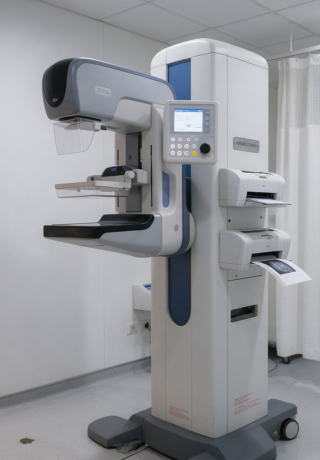
  • Mammography (can be performed with precision on the male chest as well)
  • Magnetic resonance imaging
  • Needle aspiration and biopsies (core-biopsy) for histological and biomolecular characterization
  • Cancer genetic counseling

The assessments are defined based on the clinical picture and coordinated within the same center.

The multidisciplinary pathway in our Breast Health Clinic

Managing male breast cancer cannot be done without an integrated approach. Within the Breast Health Clinic, each case is handled by a multidisciplinary Tumor Board composed of experts who collaborate in synergy.

1. Accurate diagnosis

At our outpatient clinics, patients undergo breast ultrasound, mammography and, where necessary, a biopsy (core biopsy) for the histological and biomolecular characterization of the tumor.

2. Personalized treatment

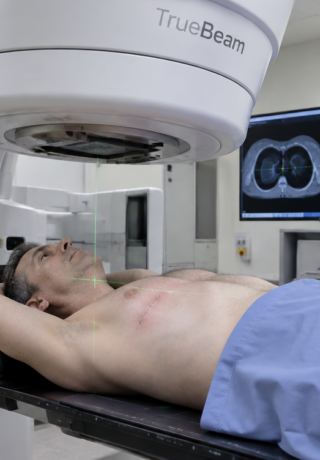
Therapeutic options are tailored to the specific characteristics of the patient and the neoplasm. They include surgery (predominantly mastectomy, associated with the study of the sentinel lymph node), hormone therapy (since almost all male tumors are receptor-positive), chemotherapy, and targeted radiotherapy.

3. Genetic counseling

Given the high correlation with hereditary mutations, we offer a genetic screening pathway to eligible patients, which is also essential for the protection and prevention of their family members (sons and daughters).

4. Psycho-oncological support

We recognize the profound psychological and social impact that this diagnosis can have on a person. Our team offers dedicated support to accompany the patient and their loved ones throughout the entire therapeutic process.

The message of the Breast Health Clinic

Breaking the taboo

The diagnostic delay in men is often due to embarrassment or underestimation of the symptom. Our mission is to break down this taboo: breast cancer has no gender, and seeking a timely breast specialist consultation when in doubt is an act of responsibility towards one’s own health.

Prevention is not a prerogative of women. If you notice a change in your chest, make an appointment for a specialist visit at our Breast Health Clinic.

From diagnosis to regular check-ups over time, the various phases of the journey are coordinated within PIO XI.